
Aveo Carbon5D Advanced Materials

Scroll to explore

3D Printing Graphene Featured Filaments

Carbon5D
  • Up to 120% faster printing than existing industry filaments
  • Up to 99.7% radar-signature reduction (RAM)
  • No nozzle wear, the smooth, graphene-enhanced material eliminates it.
  • No stringing.
  • Tuneable ESD & EMI masking, matched to the frequencies you need.
  • Custom physical properties on request, tensile strength, elasticity, thermal behavior and more.

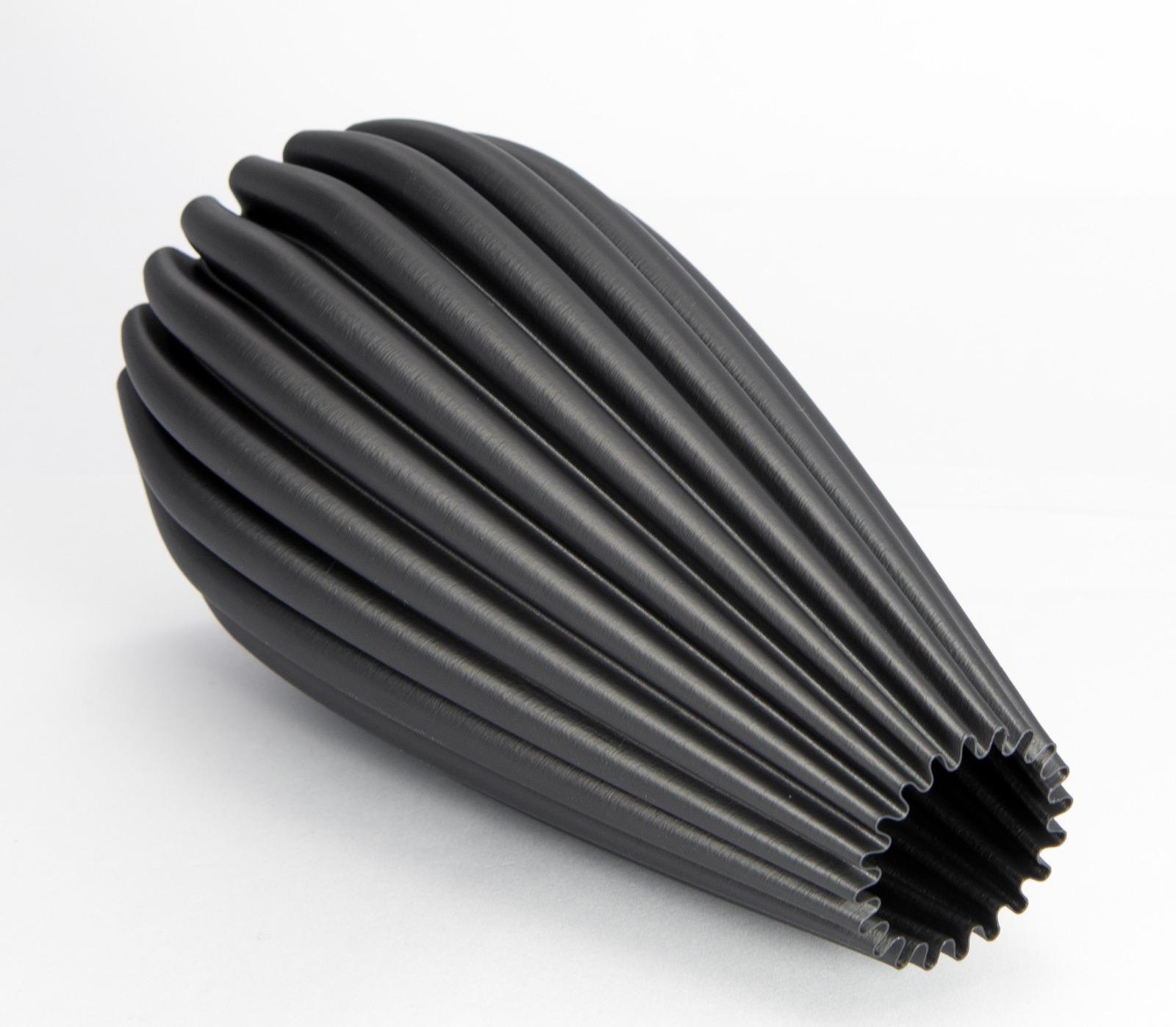
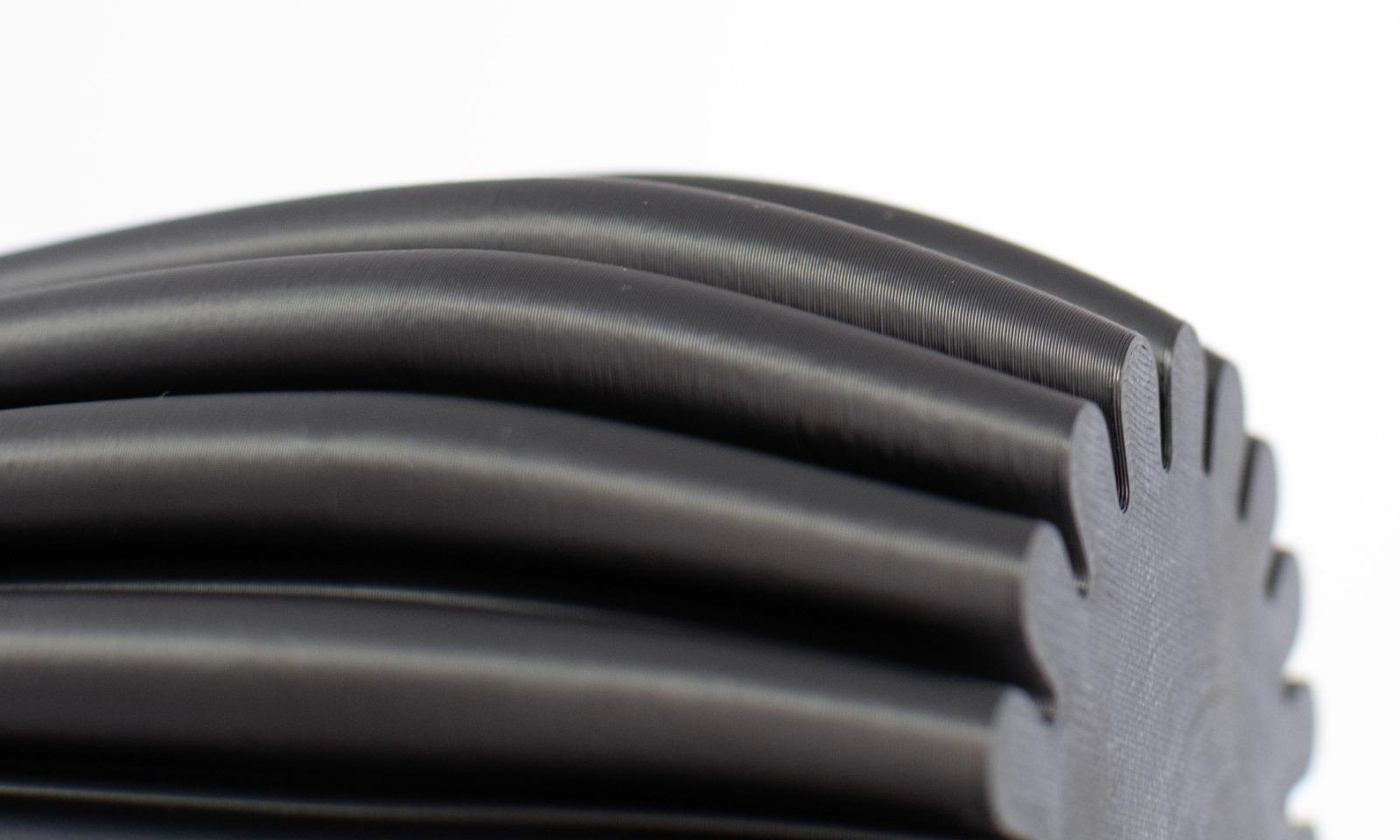
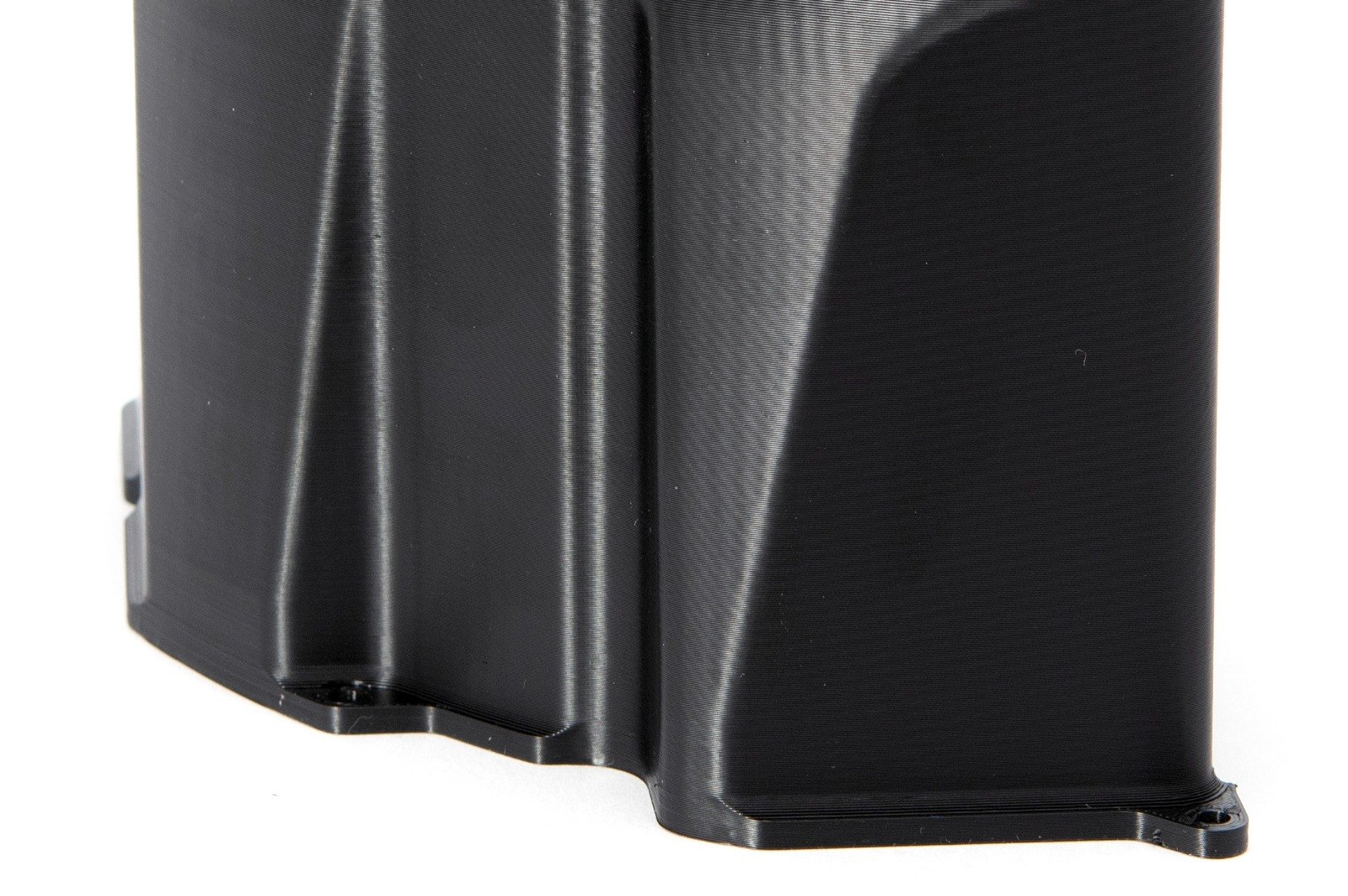
Sample prints in Carbon5D™. A finish unmatched by any industry-standard filament.

A fluted vase printed in Carbon5D ASA, lying on its side, matte as-printed finish
Close-up of the printed ribs, layer lines reading as fine texture
Corner of a printed Carbon5D housing with mounting lugs, smooth curved surfaces

Carbon5D™ is available in custom blends and in the stock filaments Aveo uses across all its own defense 3D-printed parts and products.

PET-G Isotropic ESD-Safe

An engineered conductive PET-G designed for controlled electrostatic discharge, with tunable surface and volume conductivity achieved at minimal graphene loading. Compared to carbon-filled systems it significantly reduces the mechanical-strength compromise, with better melt behaviour and much higher print speeds, such as 120 mm/s, plus a moderate level of RAM characteristics.

AVEO PET-G ESD offers
  • Print speeds 20 to 120% faster than comparable conductive PET-G ESD materials
  • No warping, stringing, clogging or abrasive wear on the nozzle
  • Stable extrusion and strong interlayer adhesion
Developed specifically for
  • ESD-safe housings for sensitive electronics
  • Jigs, fixtures and assembly tools in electronics production
  • Test equipment and laboratory components
  • Custom enclosures used in ESD-protected areas (EPA)
  • Replacement parts where electrostatic protection is critical

Filament: PET-G ESD  ·  Pellets: PET-G MB, PET-G ESD 104, 106, 108
PETG Enhanced

Engineered for consistency and performance, PETG Enhanced is comparable to the leading PETG filaments used in professional applications. It offers a balanced combination of strength, durability and superior surface finish, with excellent layer adhesion, no warping, no stringing and strong mechanical properties.

Key properties
  • Print quality Superior surface finish compared to the commercial benchmark; excellent layer adhesion with no stringing
  • Tensile strength 13% higher ultimate tensile strength than the commercial benchmark
  • Stiffness 69% higher than the commercial benchmark; reduced vibration
  • Dimensional stability No warping or shrinkage
  • Processing High-speed printing with stable extrusion; easier to process than many engineering-grade materials
  • Resistance Good moisture and chemical resistance for long-term use
Applications
  • Functional prototypes balancing strength, durability and ease of printing
  • Mechanical parts under moderate loads that need impact resistance
  • Lightweight, stiff drone components
  • Jigs, fixtures and manufacturing aids for workshop or production use
  • Parts exposed to moisture or humidity, thanks to low water absorption
  • Outdoor applications with limited UV exposure, short to mid term
  • Components requiring good chemical resistance
Filament1.75 ± 0.02 mm, 1 kg spools
Print settingsNozzle 250–255 °C  ·  Bed 70 °C  ·  Max flow 12 mm³/s  ·  Cooling 40–90%  ·  Drying 60 °C, 4–6 h
Printed parts (ISO 527)Tensile modulus 2540 MPa  ·  Tensile strength 56.9 MPa  ·  Elongation at break 3.41%

ASA Enhanced

Engineered for durability and outdoor performance, ASA Enhanced offers an excellent combination of strength, weather resistance and superior surface finish. Designed for demanding environments, it delivers consistent results with strong layer adhesion, high UV resistance and minimal warping when printed under controlled conditions. Suitable for both functional prototyping and end-use parts exposed to sunlight, temperature variations and harsh outdoor conditions.

Key properties
  • Print quality Superior surface finish compared to benchmark; excellent layer adhesion with no stringing
  • Dimensional stability Less warping than the commercial benchmark
  • Strength and durability Strong and durable for demanding indoor and outdoor applications
  • Outdoor durability Excellent weather and UV resistance; retains colour and mechanical properties under prolonged sun exposure
  • Thermal stability High thermal stability for parts exposed to elevated temperatures
  • Chemical resistance Good chemical and environmental resistance for long-term outdoor use
Applications
  • Outdoor components requiring excellent UV and weather resistance
  • Automotive exterior trims, brackets and covers
  • Lightweight, stiff drone components
  • Functional prototypes exposed to environmental stress and temperature variation
  • Outdoor electronics and electrical housings
  • Jigs and fixtures in thermally demanding environments
  • Parts exposed to sunlight, moisture and varying climates
  • Industrial components requiring resistance to ageing and discolouration
Filament1.75 ± 0.02 mm, 1 kg spools
Print settingsNozzle 260 °C (240–270)  ·  Bed 100 °C  ·  Max flow 12 mm³/s  ·  Cooling 10–80%  ·  Drying 70–80 °C, 4–6 h
Printed parts (ISO 527 / 178)Tensile modulus 2020 MPa  ·  Tensile strength 36.8 MPa  ·  Elongation at break 5.00%  ·  Impact strength 6.15 kJ/m²
The fluted vase from the photos above, printed in ASA Enhanced: 14 minutes at 500 mm/s, the fastest the printer can run.

ASA RAM

AVEO ASA RAM is a radar-absorbing FDM filament with tunable dielectric properties, engineered for demanding defense and aerospace applications. It delivers peak electromagnetic attenuation in the X-band (8 to 12 GHz), with measurable attenuation across 4 to 18 GHz. Final performance depends on part geometry, thickness and integration.

Performance
  • Peak reflection loss -11 dB at 9 GHz
  • Surface resistance 2.8 × 10² Ω
  • Attenuation Measurable across 4 to 18 GHz, peak in the X-band
  • Radar-absorbing ASA-based filament
  • High dielectric loss for microwave attenuation
Applications
  • Stealth drones
  • Interceptor drones
  • Unmanned boats
  • Retrofit components for military platforms
  • Radar-signature reduction and the protection of strategic assets
Print settingsNozzle 260 °C  ·  Bed 110 °C  ·  Chamber at least 50 °C, preferably 70  ·  Textured plate with glue  ·  Max flow 5 mm³/s  ·  Fan 0%, 25% on overhangs
DryingDelivered vacuum-sealed and pre-dried; after exposure to humidity, 70 °C for 4–6 h

PVDF

PVDF grades combine electrical conductivity with mechanical flexibility and chemical resistance. Built for electrically active components and static-safe structures, they enable both conductive and ESD-safe use in demanding environments, with strong chemical resistance plus RAM / EMI shielding. They hold controlled surface resistivity in the ESD-safe range while staying flexible and impact-resistant, so parts get static protection without going brittle.

PVDF Conductive prints parts at 10 to 20 S/m, enabling integrated resistive heating, de-icing systems, electrically active housings and lightweight conductive structures.

Advantages
  • Excellent chemical resistance
  • High thermal stability
  • Inherent flame resistance
  • Long-term durability in harsh environments
Enables
  • Integrated resistive heating
  • De-icing systems
  • Electrically active housings
  • Lightweight conductive structures

Filaments: PVDF Conductive, PVDF ESD, PVDF Reinforced  ·  Pellets: PVDF MB, PVDF Conductive, PVDF ESD, PVDF Reinforced

PPS ESD

AVEO PPS ESD combines polyphenylene sulfide (PPS) with graphene-enabled conductivity for 3D printing. It provides chemical resistance, thermal stability and electrostatic discharge (ESD) protection, for structural parts, assembly fixtures and protective covers in harsh environments.

Key properties
  • ESD protection Surface resistance 1.0 × 10⁶ Ω; electrical resistance can be tailored to the application
  • Thermal stability Use temperature 200 to 220 °C
  • Chemical resistance Resistant to automotive fuels, oils and harsh chemicals
  • Dimensional stability Low moisture absorption, high dimensional stability
  • Mechanical strength High stiffness and mechanical strength
  • Durability Creep and wear resistance
Applications
  • Structural parts in harsh environments
  • Assembly fixtures
  • Protective covers
  • Parts that need thermal stability and static control at once
Filament1.75 mm, 1 kg spools
Print settingsNozzle 300–320 °C  ·  Bed 110 °C  ·  Chamber at least 60 °C, preferably 80  ·  Textured plate with glue  ·  Max flow 5 mm³/s  ·  Fan 5–80%
HandlingDry at 120 °C for 4–6 h before printing. An enclosure is required; air filtration is recommended.

Also available: PPS Reinforced, PPS Conductive

Datasheet PDF

Aveo ABSORA G1 Radar-Absorbing Coating

Coating

ABSORA G1

AVEO ABSORA G1 is a radar-absorbing coating that enables substrate-driven frequency tuning across 4 to 18 GHz. The same coating delivers optimised absorption on both carbon-fibre composite and metallic substrates, a lightweight and cost-effective solution for radar-signature reduction.

Key features
  • Frequency tuning by substrate
  • Single coating system for multiple platforms
  • Enhanced microwave attenuation
  • Broad applicability across aerospace, defence and industrial sectors
  • Easy to apply without complicated set-up
  • Compatible with composite and metallic structures
Reflection loss, 2 mm coating
  • Carbon fibre Peak about -11 dB at 10.5 GHz, about 92% absorption; broad response between 8 and 12 GHz, secondary region 9.5 to 11.5 GHz at -6 to -10 dB
  • Aluminium Peak about -11 dB at 4.5 GHz, about 92% absorption; strong substrate interaction at lower frequencies
  • Measured in C, X and Ku band
CoatingPolyurethane base with hardener, mixed 5:1  ·  Black  ·  Carbon fibre and metallic substrates
ApplicationSpray, brush or roller  ·  Recommended thickness 2.0–2.2 mm, built up in coats  ·  5 to 35 °C  ·  10–12 m² per litre  ·  Usable 3 h after mixing  ·  Hardens in 3 days at 2 mm
Packaging3 kg, 10 kg, 20 kg packs; custom sizes on request. Technical support provided on application.

Aveo Hybrid Composites for Radar, EMI, ESD Masking

Composites
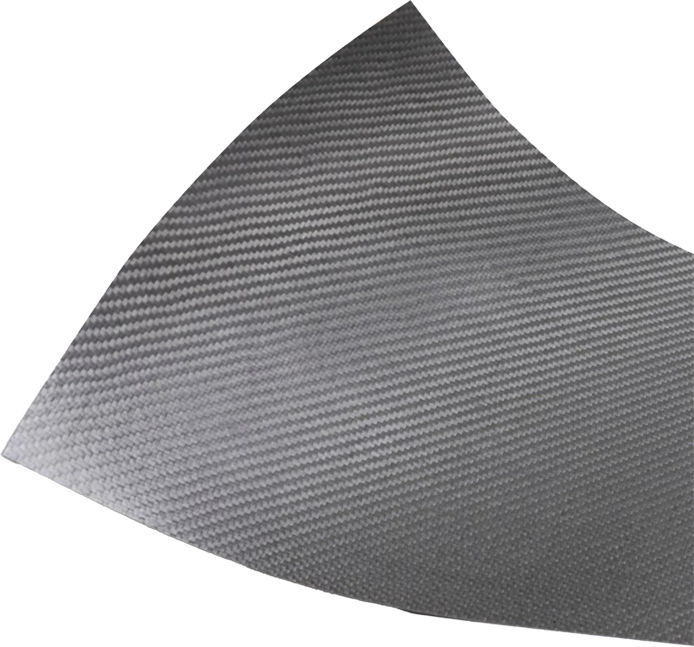
Aveo hybrid composite carbon-weave sheet

For radar, EMI and ESD masking.

Aveo has built airframe composites for over 13 years, including the General Atomics Predator winglets, which Aveo has developed and manufactured 100% in-house to this day. Since 2013, Aveo Group has invested in alternative composite fabrics and resins, and six years ago began developing flax natural composites and graphene blends. The mix now includes proprietary synthetic and natural ingredients, natural and polymer/glass fibers, carbon nanotubes and nanocoatings, developed by Aveo and the small technology partners it has invested in.

Aveo has brought all of this to additive manufacturing, producing the same components in 3D printing to its own specifications, ingredients, processes and materials, the same it applies across defense, space, aeronautical, marine and vehicle markets.

Today Aveo delivers commercial hybrid composites made from natural materials and green resins, used in many of its civil aviation products. Unique blends of hemp, basalt and polymer, with aluminum coatings applied at 600°C, produce unmatched performance and material specifications, including stealth-grade ESD, EMI and RAM characteristics.

Performance
  • Up to 99.7% radar absorption
  • IR signature reduction
  • EMI shielding
  • Electrical and thermal conductivity
  • High mechanical strength at low weight
  • Up to 70% lower friction
  • Properties tuned by varying graphene amount and type
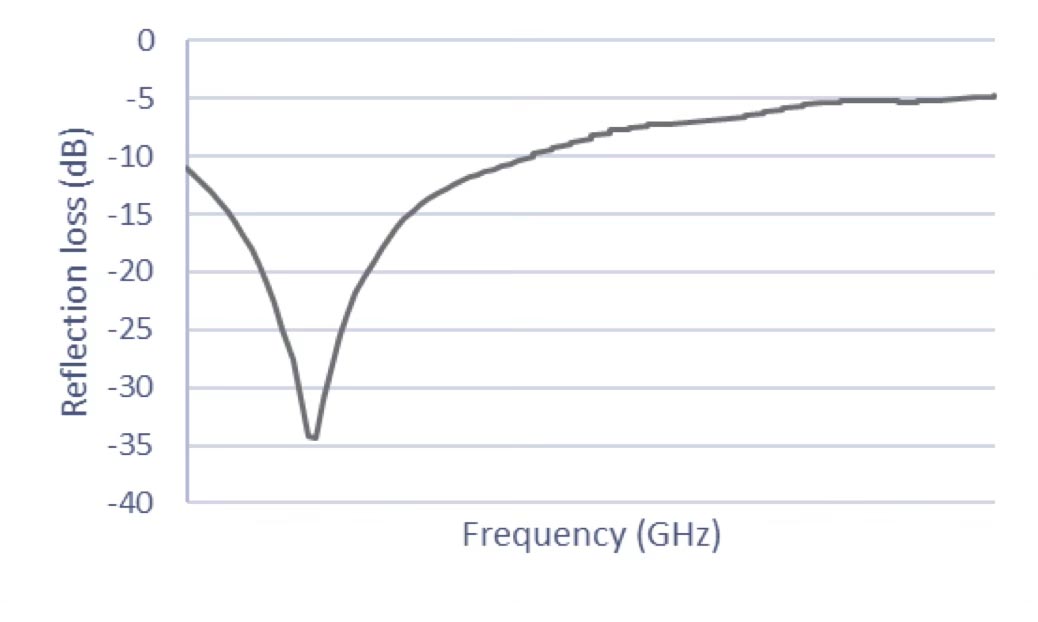
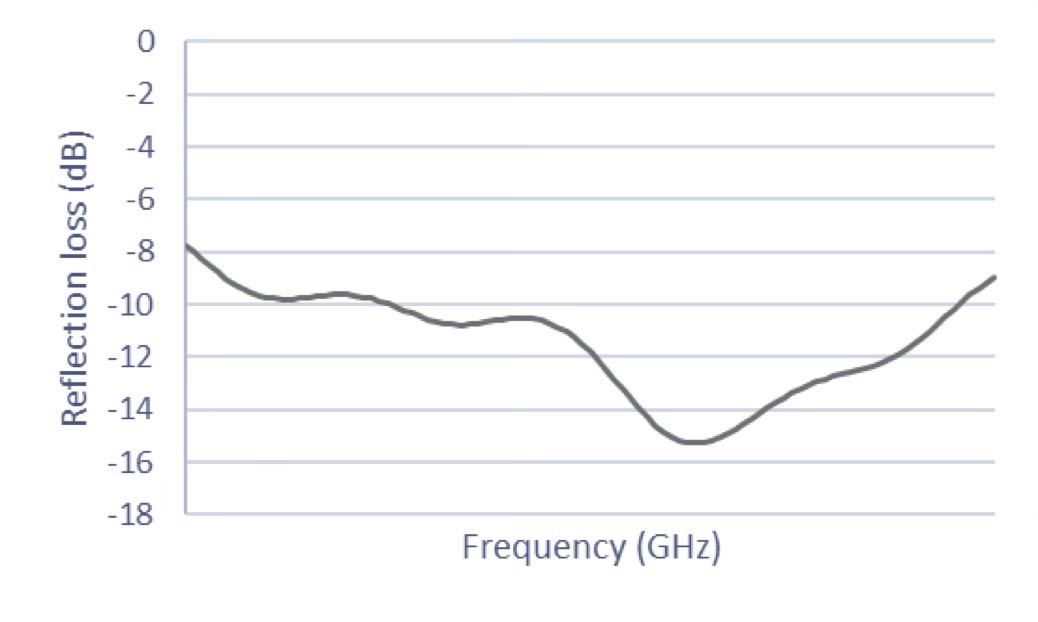
Measured reflection loss (RAM)
Reflection loss versus frequency showing a deep resonant absorption notch to about -34.5 dB
Resonant absorber. A deep, narrowband notch down to about −34.5 dB.
Reflection loss versus frequency showing sustained broadband absorption between -8 and -15 dB
Broadband absorber. Sustained absorption across the frequency sweep.

Aveo's nano-level coatings, applied at very high temperatures, give its materials characteristics standard materials lack. For electromagnetic shielding, they deliver clear quality and cost advantages over existing options like pure aluminum fibers, foils and sheets.

Controlled and tunable

Precise, controlled coating with adjustable thickness and a choice of thin or thick core fibers.

Nanomaterial based

The coated fibers use nanomaterials for real quality and performance gains.